
Water, Sanitation & Hygiene
WASH Blocks & Hygiene Stations
Safe water, sanitation and hygiene delivered together, so families can protect their health every single day.
Our Gallery
Why This Matters
Sanitation Completes the Promise of Clean Water
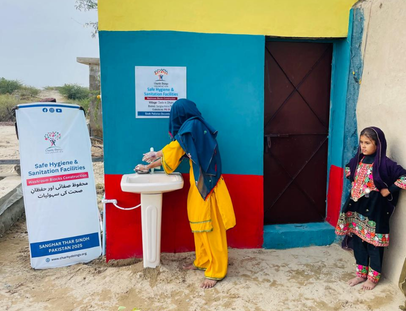
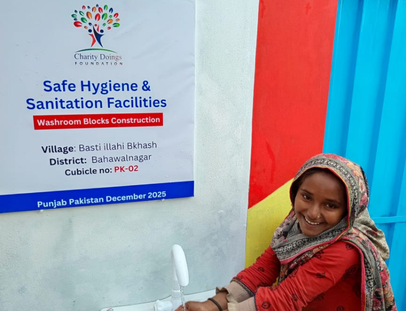
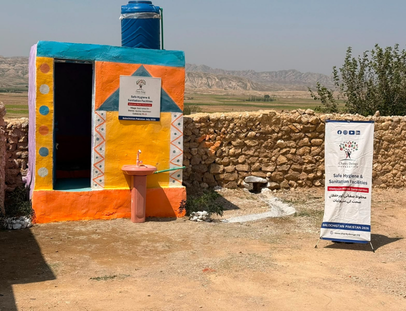
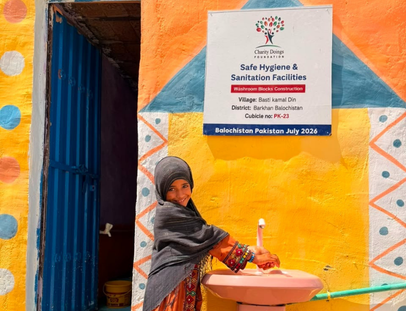
Sanitation is essential to health, dignity and everyday safety. Without proper washblocks, families especially women, children and vulnerable groups remain exposed to preventable disease, unhygienic conditions and daily hardship. Safe WASH facilities are not a luxury – they are a basic need that protects communities and supports wellbeing.
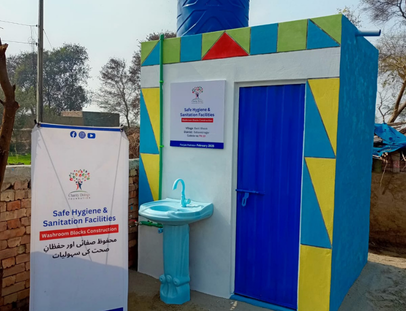
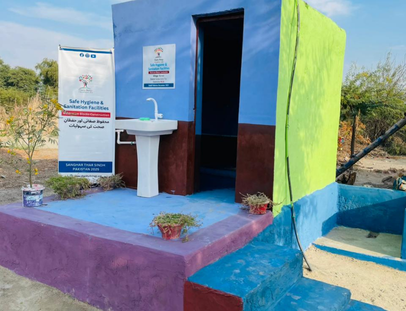
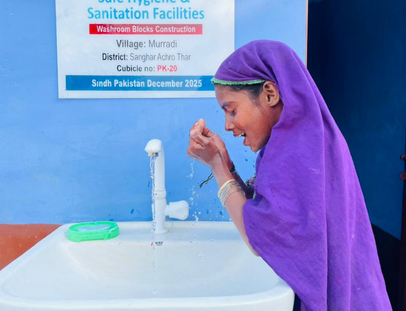
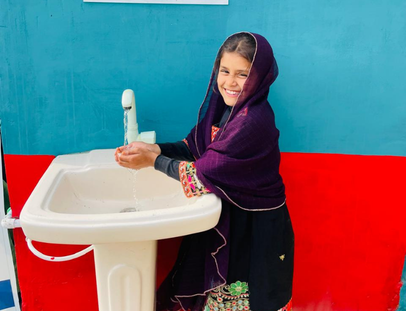
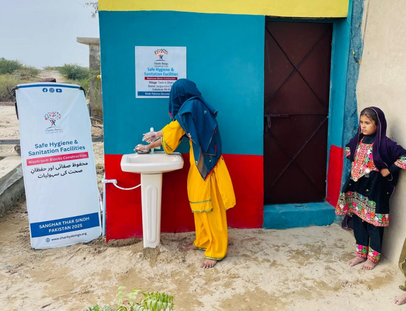
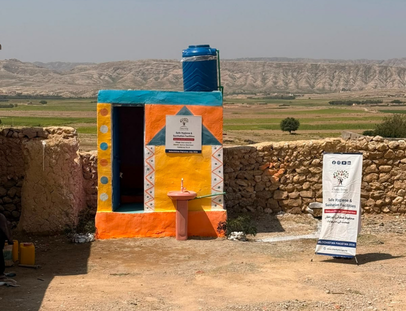
CDF has constructed around 350 potable washblocks across Punjab, Balochistan and Sindh, creating clean and accessible sanitation spaces where communities need them most. These facilities are designed to improve hygiene, reduce disease risk and give people a safer, more dignified place to manage daily sanitation needs.
Our washblocks help turn access into action – supporting healthier communities, stronger public hygiene and a better quality of life for families across underserved areas.
Our Approach
Facilities that communities can rely on
01
Built Around a Reliable Water Source
Wash blocks construction is delivered as part of CDF's water infrastructure portfolio, so every hygiene facility is connected to a dependable water access point — a hand pump, a community water plant or a Reverse Osmosis plant.
02
Better Hygiene Practices at Home
Expected benefits include improved household hydration and hygiene practices, and decreased pressure on unsafe or contaminated water sources.
03
Resilience in Extreme Conditions
Reliable washing and drinking facilities strengthen resilience during heatwaves and drought periods, and reduce the time and cost families spend collecting water.
04
Animal-Inclusive by Design
Every water plant and well includes dedicated troughs or stations for livestock, working animals, and wildlife — a One Health approach that reduces conflict over scarce water resources.
Overall Output and Impact
Cleaner homes, healthier communities
Expected benefits include reduced time and cost spent on water collection, improved household hydration and hygiene practices, stronger resilience during heatwaves and drought periods, and decreased pressure on unsafe or contaminated water sources.
For animal-owning households and communities with stray and working animals, dedicated hydration stations help prevent dehydration, reduce disease risk, and protect livelihoods dependent on livestock.