
Sustainable Livelihood
From Survival to Self-Reliance - Helping Families Stand on Their Own
Sustainable livelihood is about helping people build reliable ways to support themselves and their families with dignity. For communities facing poverty, unemployment or limited economic opportunities, short-term assistance can provide immediate relief, but sustainable income opportunities can create a pathway toward greater independence and long-term stability.
Why This Matters
Supporting Women Through Economic Empowerment
Different communities and individuals require different forms of livelihood support. For some, vocational training can provide the foundation for earning an income. For others, access to a productive asset can create a more immediate opportunity to work.
CDF’s Rickshaw Livelihood Support initiative reflects this practical approach by supporting individuals through access to a means of earning. A rickshaw can provide an opportunity for income generation while helping an individual work toward greater financial stability for their household.
With a steady daily income, families can pay for food, school fees, and medical care without falling into debt. Many recipients no longer have to rely on aid and can plan for their children’s future with confidence. Each rickshaw also keeps people and goods moving in the local area, which helps the wider community too.
By focusing on practical livelihood solutions, CDF aims to connect assistance with opportunities that can continue beyond the initial intervention. Your support helps us reach more deserving families and give them a way to earn with dignity, every single day.
Sewing Skills for Women
Skills That Can Create New Opportunities
Skills can become a foundation for lasting change. When people have access to practical training, they can develop abilities that may help them earn an income, support their families and participate more confidently in their local economies.
CDF’s Sewing Skills for Women initiative provides vocational training to women through its training center in Sindh. Since 2022, the program has focused on helping women develop practical sewing skills that can be used to create income opportunities.
The initiative supports approximately 120 women each year, giving participants an opportunity to develop a practical skill that can contribute to household income and greater economic independence.
Why This Matters
Livelihood Support That Meets Real Needs
Different communities and individuals require different forms of livelihood support. For some, vocational training can provide the foundation for earning an income. For others, access to a productive asset can create a more immediate opportunity to work.
CDF’s Rickshaw Livelihood Support initiative reflects this practical approach by supporting individuals through access to a means of earning. A rickshaw can provide an opportunity for income generation while helping an individual work toward greater financial stability for their household.
By focusing on practical livelihood solutions, CDF aims to connect assistance with opportunities that can continue beyond the initial intervention.
Our Sustainable Livelihood Approach
Explore our Sustainable Livelihood services
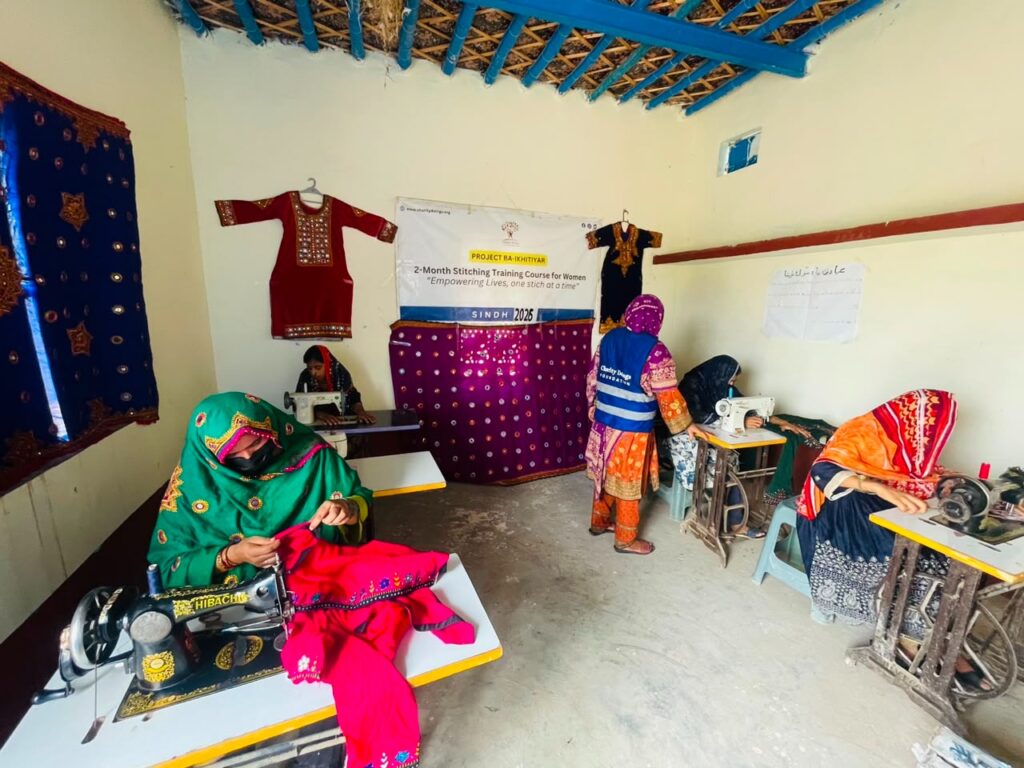
Sewing Skills for Women
We equip women with practical sewing skills that can become a reliable source of income for themselves and their families.
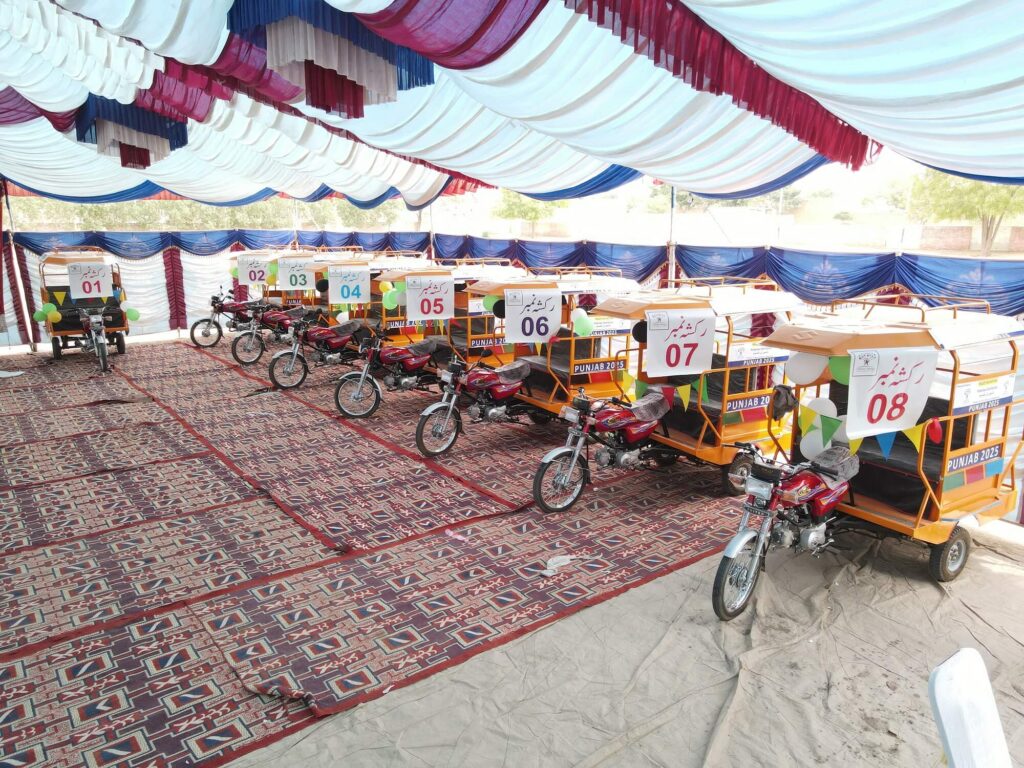
Rickshaw Livelihood Support
A reliable livelihood can change the direction of an entire family. CDF provides deserving families with rickshaws that can generate a dependable daily income.
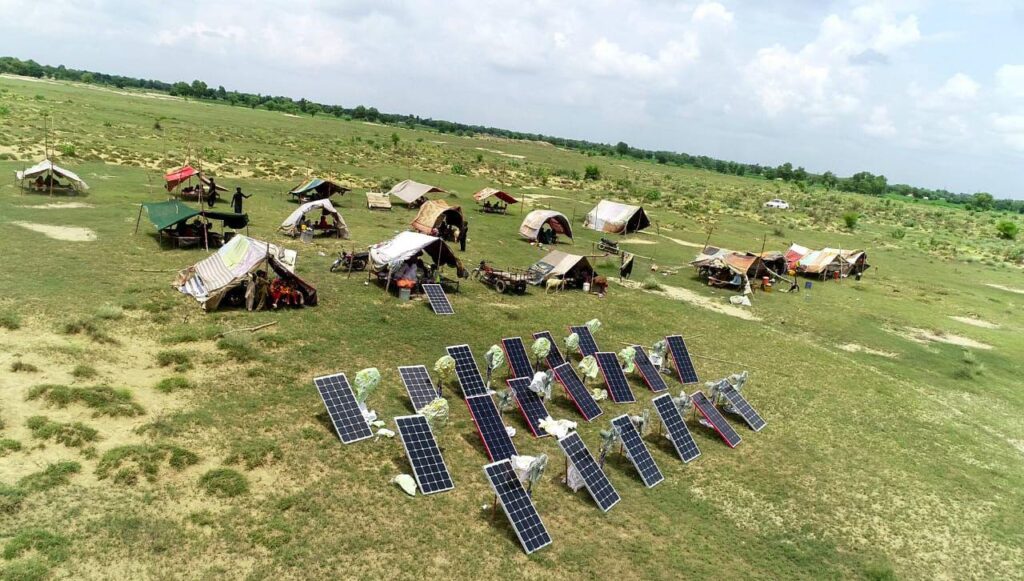
Small Business Support for Families
Small Business Support for Families A small business can bring lasting stability to a household. CDF helps deserving families set up tuck shops that can provide a steady income close to home.
Support Our Work
From Assistance to Independence
CDF combines practical skills development and livelihood support to help individuals and families move toward greater self-reliance.