
Community & Faith Hubs
Ablution & Wudu Stations
Water for sanitation and religious practice, built where communities already come together.
Our Gallery
Why This Matters
Dignity in worship begins with clean water
In Pakistan’s most water-scarce regions, access to clean water is the lifeblood of community health, economic stability, and climate resilience. Charity Doings Foundation (CDF) tackles water scarcity through a comprehensive portfolio of sustainable water infrastructure projects across the arid landscapes of South Punjab, Sindh, and Balochistan, providing safe, reliable, and accessible water for drinking, sanitation, and livelihoods. To date, CDF has successfully installed over 1,320 water projects, each tailored to the specific needs of the community it serves.
Supporting Community & Faith Hubs
Facilities built into shared spaces
01
Wudu Khanas at Mosques & Community Centers
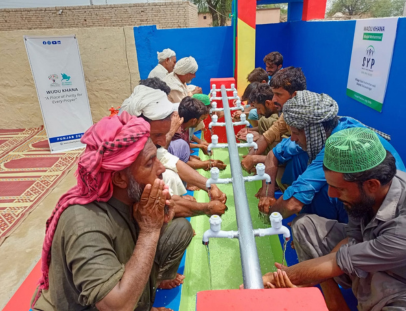
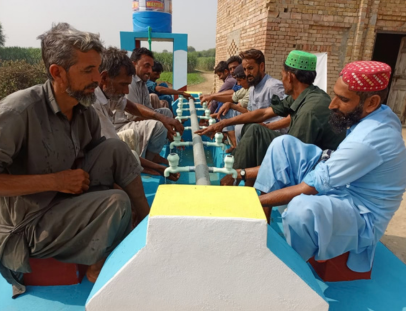
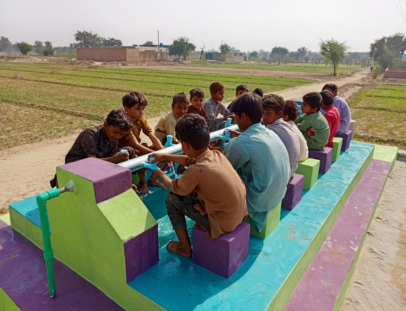
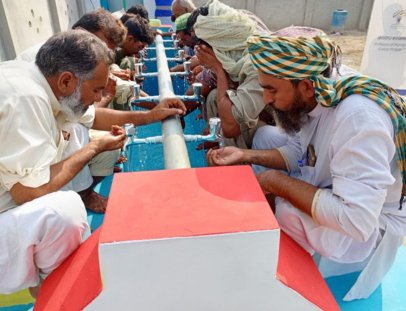
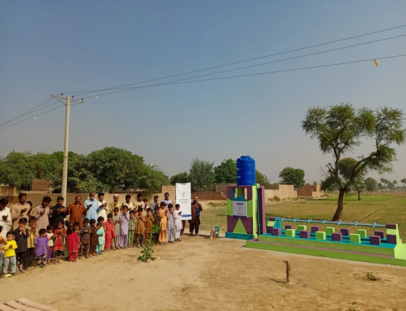
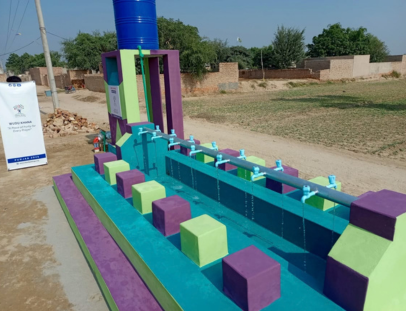
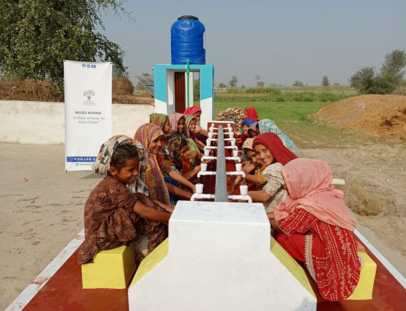
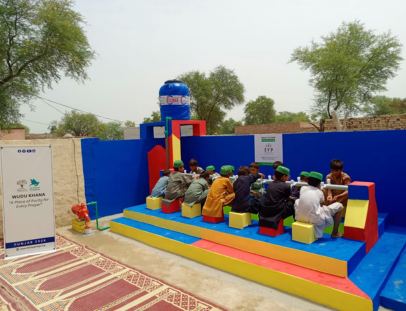
Recognizing the importance of water for sanitation and religious practice, CDF has constructed 16 to 28 ablution places (Wudu Khanas) at mosques and community centers.
02
Public Water Coolers
Public water coolers are also installed to provide cool drinking water in shared spaces, where families, travellers and workers gather.
03
Integrated with Water Access Points
82 ablution facilities (Wuzhu Khana) have been installed integrated with water access points. The final site-by-site count varies by project phase and community requirement.
04
Animal-Inclusive Hydration Nearby
Every water plant and well includes dedicated troughs or stations for livestock, working animals, and wildlife — a One Health design that provides a lifeline for stray and wild animals during extreme heat and drought.
Overall Output and Impact
Shared water, shared benefit
Expected benefits include reduced time and cost spent on water collection, improved household hydration and hygiene practices, stronger resilience during heatwaves and drought periods, and decreased pressure on unsafe or contaminated water sources.
For animal-owning households and communities with stray and working animals, dedicated hydration stations help prevent dehydration, reduce disease risk, and protect livelihoods dependent on livestock.