
Water, Sanitation & Hygiene
WASH Blocks & Hygiene Stations
Safe water, sanitation and hygiene delivered together, so families can protect their health every single day.
Our Gallery
Why This Matters
Sanitation completes the promise of clean water
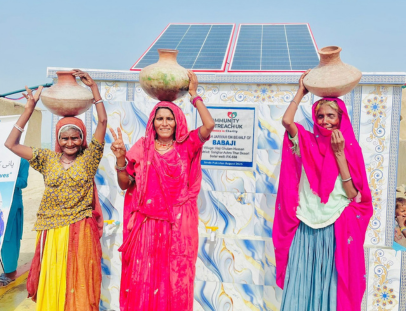
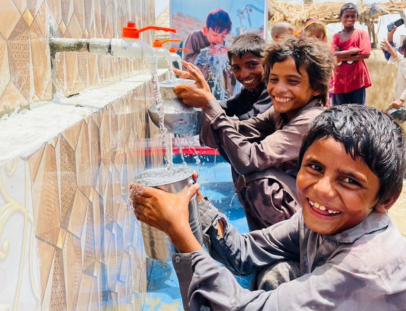
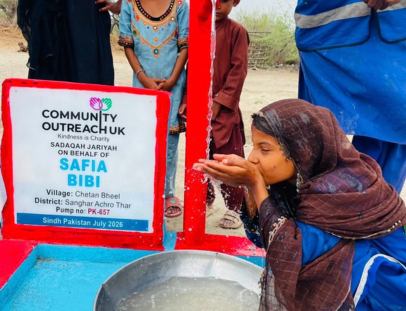
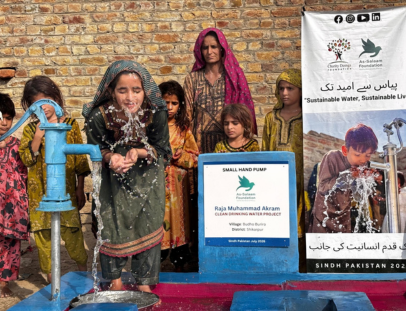
In Pakistan’s most water-scarce regions, access to clean water is the lifeblood of community health, economic stability, and climate resilience. Charity Doings Foundation (CDF) is at the forefront of tackling water scarcity by implementing a comprehensive portfolio of sustainable water infrastructure projects, with a strategic focus on the arid landscapes of South Punjab, Sindh, and Balochistan. Our interventions are designed to provide safe, reliable, and accessible water for drinking, sanitation, and livelihoods.
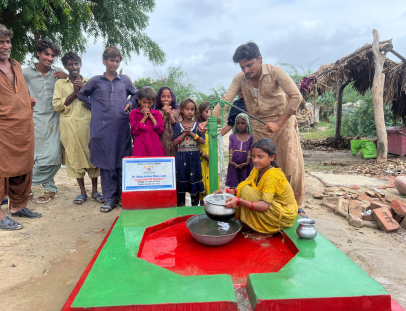
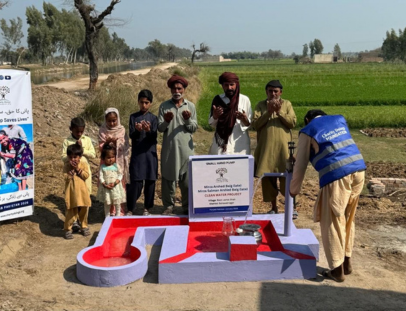
To date, CDF has successfully installed over 1,320 water projects, each tailored to the specific needs of the community it serves. Wash blocks construction is delivered alongside these installations so that access to water also becomes access to hygiene.
Our Approach
Facilities that communities can rely on
01
Built Around a Reliable Water Source
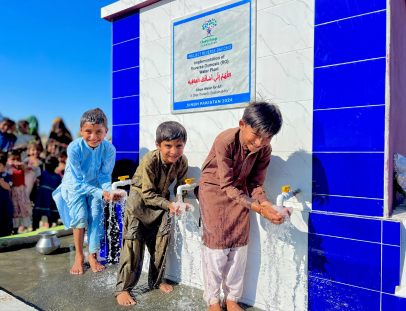
Wash blocks construction is delivered as part of CDF's water infrastructure portfolio, so every hygiene facility is connected to a dependable water access point — a hand pump, a community water plant or a Reverse Osmosis plant.
02
Better Hygiene Practices at Home
Expected benefits include improved household hydration and hygiene practices, and decreased pressure on unsafe or contaminated water sources.
03
Resilience in Extreme Conditions
Reliable washing and drinking facilities strengthen resilience during heatwaves and drought periods, and reduce the time and cost families spend collecting water.
04
Animal-Inclusive by Design
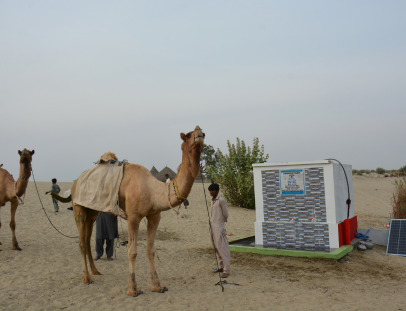
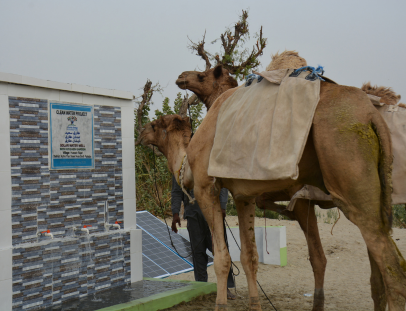
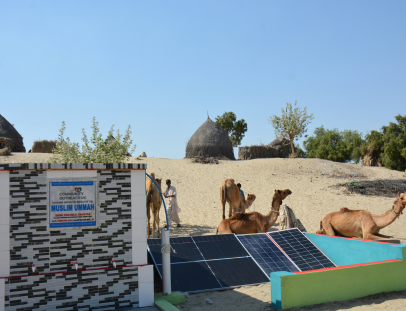
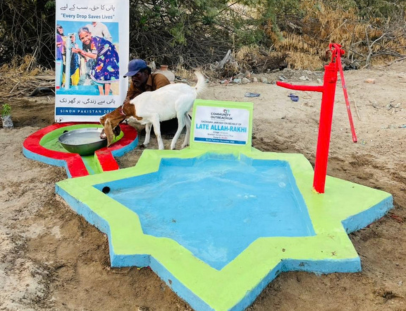
Every water plant and well includes dedicated troughs or stations for livestock, working animals, and wildlife — a One Health approach that reduces conflict over scarce water resources.
Overall Output and Impact
Cleaner homes, healthier communities
Expected benefits include reduced time and cost spent on water collection, improved household hydration and hygiene practices, stronger resilience during heatwaves and drought periods, and decreased pressure on unsafe or contaminated water sources.
For animal-owning households and communities with stray and working animals, dedicated hydration stations help prevent dehydration, reduce disease risk, and protect livelihoods dependent on livestock.