
TB and Public Health
Tuberculosis in Pakistan: A Public Health Overview
Tuberculosis remains one of the most significant infectious disease challenges in Pakistan, placing a heavy burden on public health systems and vulnerable communities. This overview examines the scale of the epidemic, diagnostic and treatment challenges, and the critical role of coordinated response efforts.
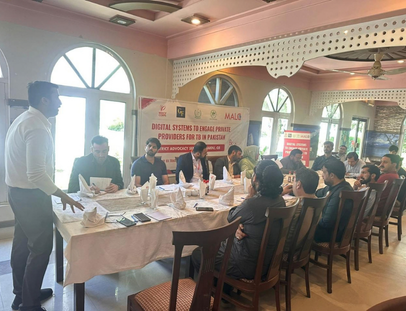
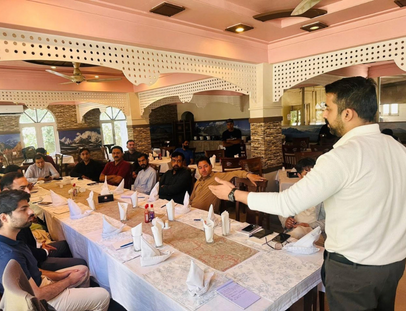
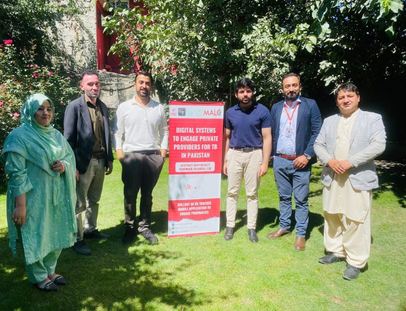
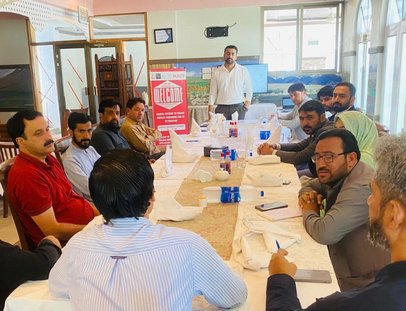
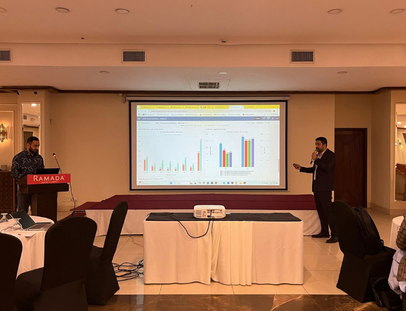
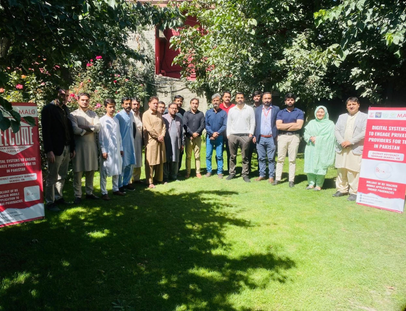
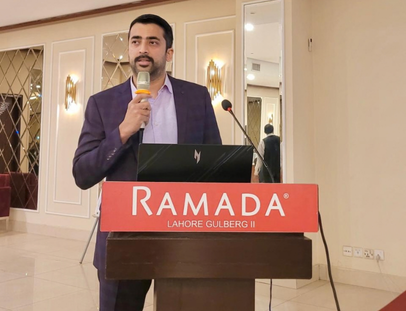
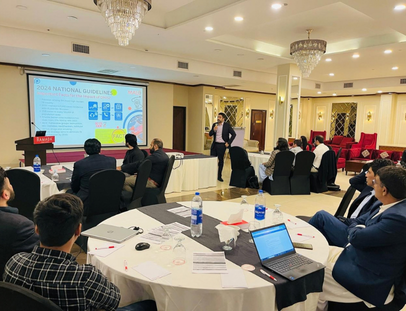
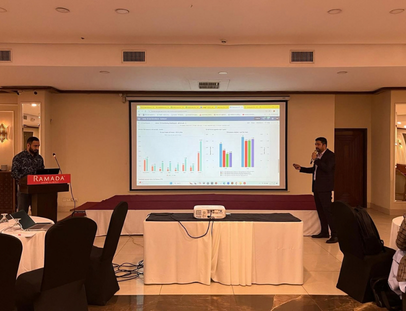
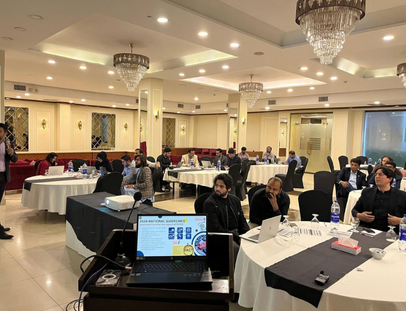
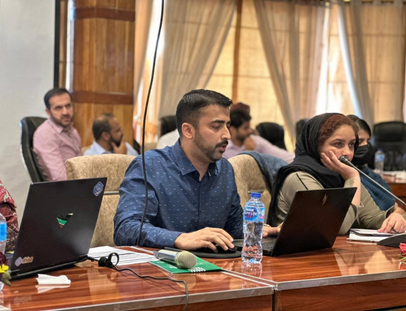
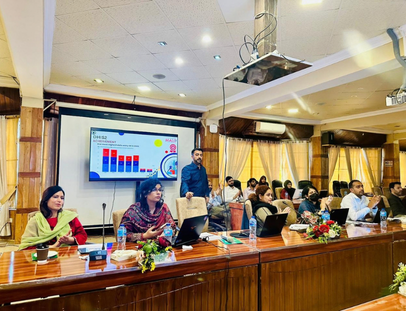
Our Gallery
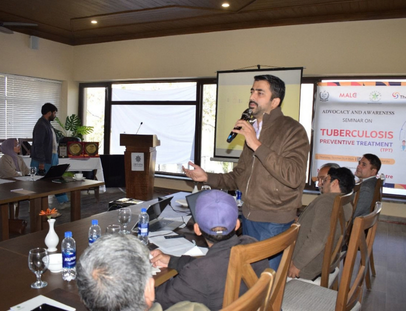
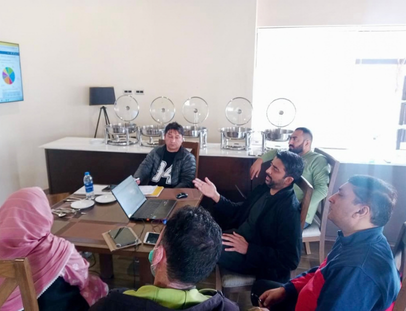
Global and national burden
Pakistan bears a disproportionate share of the global epidemic
Globally, TB affects approximately 2 billion people annually, underscoring its persistent threat. Pakistan bears a disproportionate share of this burden:
5th
Rank: 5th highest TB burden country in the world.
6.2%
Contribution: Accounts for 6.2% of global TB cases.
687,000
Reported Cases (2024): 687,000 new cases were officially notified.
~250
Models estimate around 250 suspected TB cases per 100,000 people in high-burden areas.
Drug-resistant TB
The growing challenge of DR-TB
A particularly severe dimension of the epidemic is the rise of drug-resistant strains, which are more complex and costly to treat.
15,000
DR-TB cases identified in 2024.
Treatment protocol
DR-TB requires prolonged treatment with multiple antibiotics, as single-drug regimens are ineffective and can worsen resistance.
Leadership
Leadership in health systems strengthening
Ahmad Malik, CEO of Charity Doings Foundation, brings profound, field-tested experience in TB program management, particularly from his work in the northern belt of Pakistan. His expertise has been pivotal in shaping effective public health strategies through his roles as Program Coordinator for initiatives supported by Mercy Corps, the Global Fund, and the Bill & Melinda Gates Foundation.
His key contributions include:
Championing technology
Advocating for and contributing to the implementation of digital health tools like DHIS-2. This has been instrumental in improving TB case identification, data management, and strengthening Pakistan's national TB surveillance system.
Raising awareness
Actively working to educate affected demographics, breaking down stigma and encouraging early testing and treatment adherence.
GRASSROOTS ACTION
CDF's Community-Level Detection and Care Pathway
Charity Doings Foundation (CDF) translates national strategy into life-saving grassroots action. CDF operates a critical TB detection hub laboratory in Hub, Balochistan, which serves as the first point of contact for many in the region.
The process is designed to be efficient and patient-centric:
Case Identification: The Hub lab receives suspected TB cases from the surrounding communities.
Thorough Diagnosis: It conducts initial screening and sample collection to ensure accurate detection.
Referral for Treatment: Confirmed or complex cases are seamlessly transferred to the reference laboratory in Lasbela, where comprehensive treatment and medication are initiated.
36
This model is vital for closing the diagnostic gap in remote areas. In a recent reporting period for 2025, the Balochistan lab successfully identified and processed 36 TB cases, ensuring they were connected to the necessary care pathway without delay.
By combining visionary leadership in health systems with dedicated, on-the-ground implementation, Pakistan's public health community continues to build a more resilient and effective response to the TB epidemic.
NATIONAL TB RAPID DIAGNOSTICS
CDF Selected by Mercy Corps to Spearhead National TB Rapid Diagnostics Guidelines
Charity Doings Foundation (CDF) is proud to announce that it has been selected by Mercy Corps to lead a critical national health initiative under the ICE (Increased Cost-Effectiveness) Project. CDF will develop the official National Guidelines for Tuberculosis (TB) Rapid Diagnostic Tests (RDTs), a landmark project aimed at standardizing and scaling up modern diagnostic practices across Pakistan.
His key contributions include:
Development of National Standard Operating Procedures (SOPs)
CDF will authored the definitive guidelines for the proper execution of TB rapid diagnostic tests. This document will serve as the national standard, ensuring that RDTs are used correctly, safely, and effectively across both public and private sector health facilities. It will cover technical protocols, quality assurance measures, and best practices to guarantee reliable results.
Designing a Robust Specimen Transportation Protocol
A diagnosis is only as good as the sample it’s tested on. CDF will design a complete, field-ready logistics protocol for specimen management. This will detail every step of the process, including:
- Safe and sterile sample collection in field settings.
- Proper packaging and labeling to ensure specimen integrity.
- A temperature-controlled transportation chain from remote testing sites to designated laboratories.
This protocol will be crucial for maintaining the quality of samples collected in hard-to-reach areas, ensuring that distance does not compromise diagnostic accuracy.
Creating Accessible, High-Impact Video Training Content
To ensure the guidelines are not just written but are also easily understood and implemented, CDF will produce a series of highly engaging educational videos. This digital user manual will visually guide healthcare workers through the entire process:
- Device Operation: Clear, step-by-step demonstrations on how to use the RDT devices.
- End-to-End Workflow: A visual journey from setting up a testing station in the field to sample processing in the lab.
- Communicating Results: Sensitive and effective guidance on how to deliver diagnostic results to patients and link them to the care pathway.
Why This Matters
A Leap Forward for TB Control in Pakistan
This project, championed by CDF’s leadership and their extensive experience with partners like the Global Fund and the Gates Foundation, represents a pivotal shift from traditional diagnostics to more agile, technology-driven solutions. By standardizing RDTs and creating accessible training materials, CDF and Mercy Corps are empowering frontline health workers, strengthening the national TB program, and ultimately, building a more responsive and effective healthcare system for all.